Family history of cancer
Having first-degree relatives diagnosed with cancer, especially if the disease was detected at an early age, can be a reason to consult a specialist and assess whether specific follow-up is necessary.

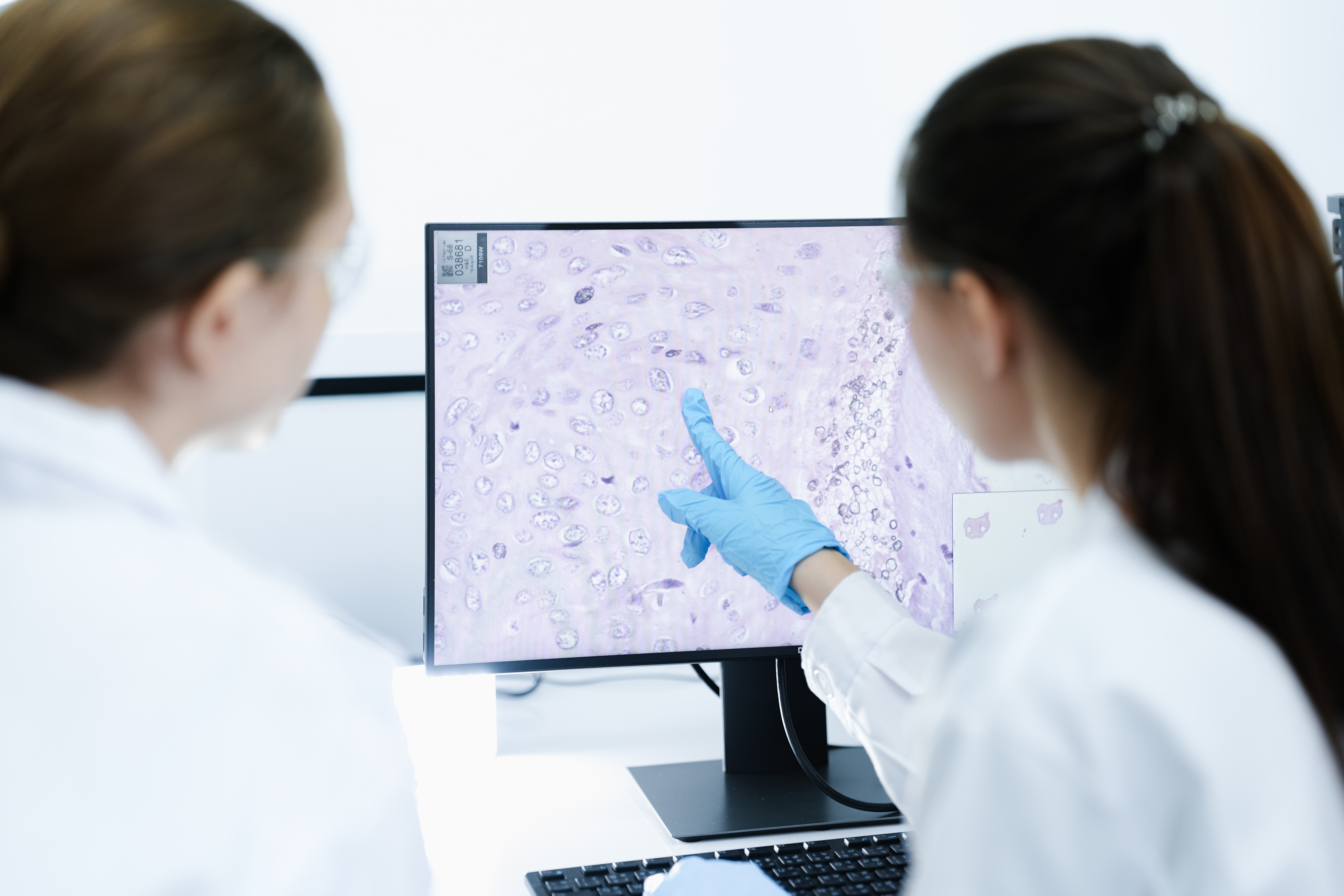
Oncology is the medical specialty dedicated to the diagnosis, evaluation, and follow-up of diseases that affect the cells and tissues of the body when there is abnormal growth, as occurs in cancer. Its role is crucial both in the initial suspicion and in the follow-up of patients who already have a diagnosis, helping to interpret the available clinical information and to decide on the next steps.
In the Oncology consultation, the specialist assesses each case individually, reviews the reports and tests provided by the patient, and provides guidance on the most appropriate actions based on the clinical situation. When the process requires it, he or she coordinates that assessment with other specialists and helps the patient understand which healthcare resources are most appropriate for continuing their treatment.
Many symptoms related to a possible oncological disease are nonspecific and can be mistaken for other health problems: persistent fatigue, unexplained weight loss, a lump that has recently appeared, or changes in the skin. Specialized evaluation allows for analyzing these symptoms within the clinical context of each patient and determining whether additional studies are necessary.
Having first-degree relatives diagnosed with cancer, especially if the disease was detected at an early age, can be a reason to consult a specialist and assess whether specific follow-up is necessary.
A finding that requires specialized evaluation in an imaging test, an analysis, or an anatomical pathology result may justify a consultation with an oncologist to interpret it within the patient's clinical context.
Prolonged fatigue, unintentional weight loss, night sweats, or persistent pain can have very different causes. When they persist over time, it is advisable for a specialist to evaluate them.
The appearance of a new growth bump, or changes in the size, shape, or color of a skin lesion, are signs that a healthcare professional should be consulted.
Patients who already have a diagnosis of an oncological disease may need follow-up consultations, review of reports and tests, and evaluation of the progress of their process.
Before a cancer diagnosis, a second specialized assessment can help review the available information, resolve doubts, and better understand the options presented for continuing the process.
Dr. Miriam González de la Peña Bohorquez offers close and personalized care for each patient.
The oncological assessment can be based on coordination with other specialties at the hospital, facilitating a joint approach to the patient's needs.
The consultation takes place in the context of a reference hospital in Cádiz, which allows the process to be carried out with the support of a complete hospital infrastructure.
Check your insurance coverage for cancer screenings and tests.
If you have a cancer diagnosis, have been detected any finding that requires specialized evaluation, or your doctor has recommended that you visit Oncology, request an appointment at Hospital HLA La Salud to receive personalized care tailored to your case.
Request a consultationWe work with the leading insurance companies and health mutuals. Explore and search for your health insurance with a complete guarantee of care:

If your insurer or mutual society is not on this list, or if you are attending privately, please consult us directly at reception.
Check your insurance coverage for cancer screenings and tests.
Do not live with symptoms that reduce your quality of life without knowing why. Request your consultation and get an accurate diagnosis.
Request a consultation